
The folk-electronic duo will open this year’s HippFest accompanying Fante-Anne, Rasmus Breistein’s Norwegian national romantic film. I sat down with them to find out more about their approach, and what we can expect at the very unique afterparty…
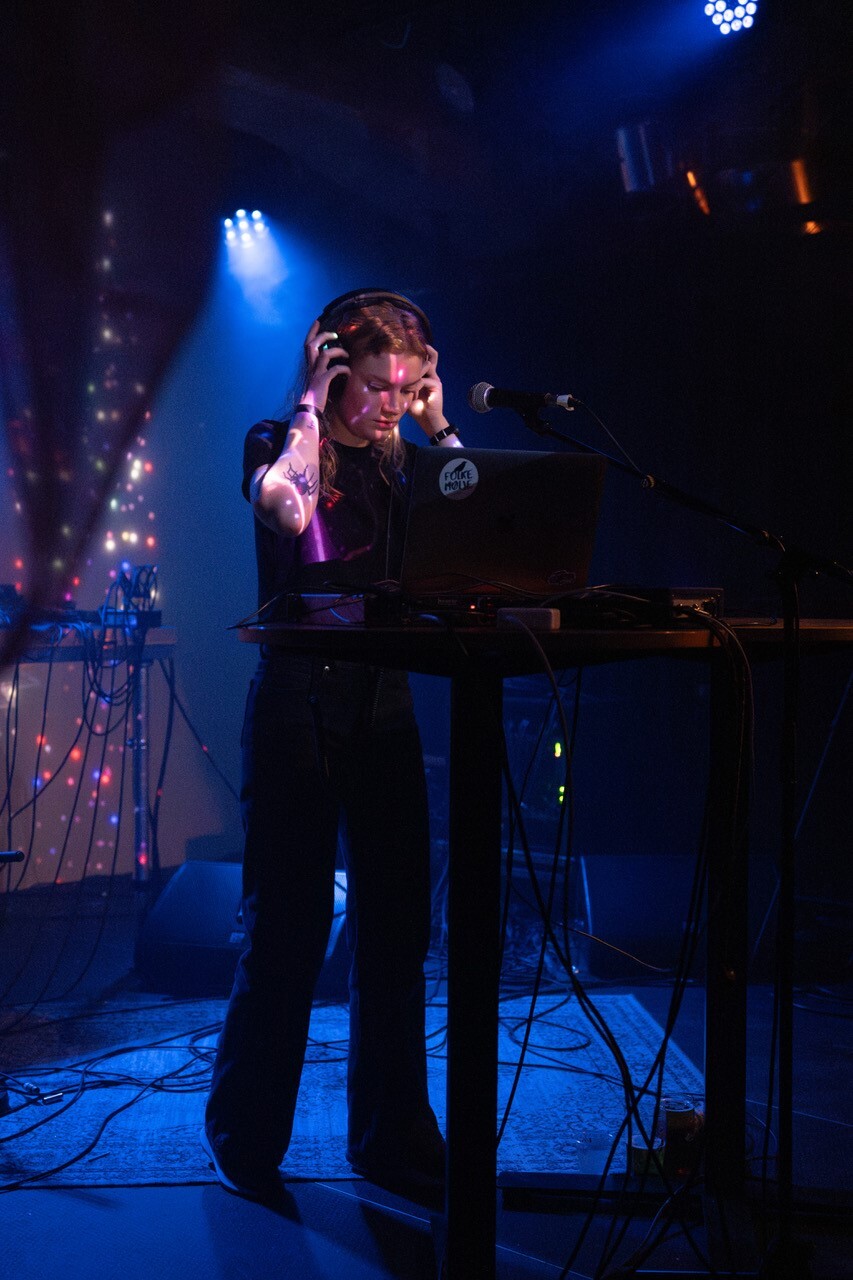
How did you get into silent film soundtracks?
DK: I was part of an artistic development fund for an electronic music festival in Tromsø that collaborates with the local film festival [Tromsø International Film Festival]. Every participant can get involved with a silent film, and they were interested in my folk background. I’ve been working with Jo Einar for a while so I asked him to join me, and the rest is history!
What drew you to Fante-Anne?
DK: I was familiar with the director; he’s produced many national romantic films including Brudeferden i Hardanger, which TIFF had screened recently. I chose Fante-Anne because of its visual style – it’s very pretty! – and the story is quite fun and a bit feminist.
Anne, the protagonist, is an outsider. How does that feed into your approach?
DK: Our music is very ‘outsider’ being electronic, so there’s a contradiction set up. Mainly, our approach is catching the ‘vibe’ of the film, combining folk and electronic and trying to make dance music out of these contrasting genres, and making it available and accessible to anyone.
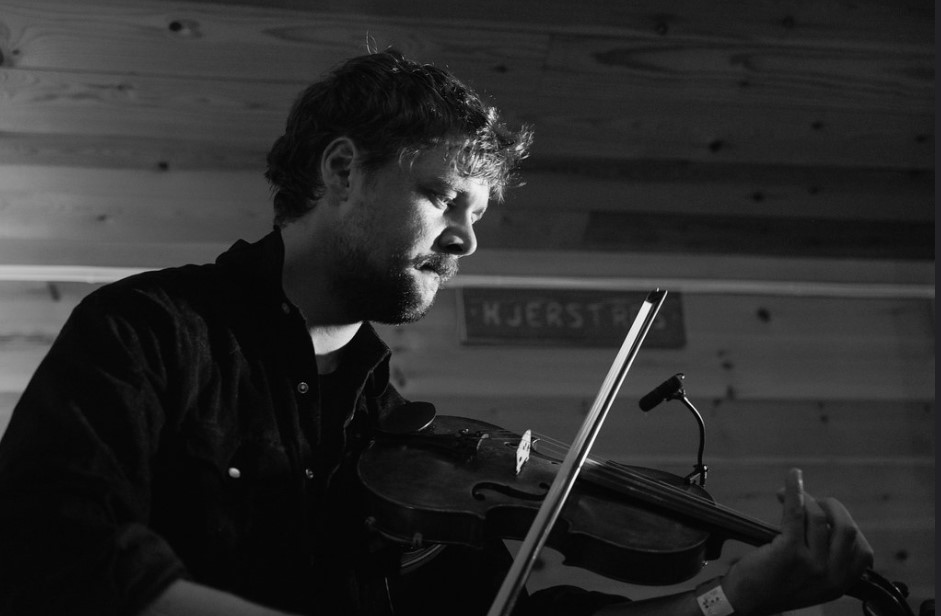
Your sound is very old-meets-new – is traditional folk in Norway experiencing a revival?
JEH: It’s becoming increasingly popular recently; previously, it involved events with a band or a solo Hardanger fiddle player. Now it’s more experimental – there’s an electronic music connection along with the fiddle music. So it’s growing in Norway, both in how it sounds and the size of the crowds.
What can we expect from your soundtrack?
DK: Parts are improvised and parts are more planned!
JEH: The original National Library version’s soundtrack was grander, but we’re bringing a more experimental style along with the fiddle and more folky melodies. The connection is still there to ‘national romantic’ but it’s not so obvious. We didn’t use any of the original music in our composition.
DK: The director would play his Hardanger fiddle live; sadly there’s no surviving recordings but I wish there were! We don’t use the Hardanger fiddle, but there are scenes whose visuals suit a super-traditional folk sound, and others that have a purely electronic vibe. When we started this project, we watched the film with no soundtrack as we didn’t want to be influenced by the original soundtrack.
Tell me more about the Folkemølje – it sounds a little like a ceilidh!
DK: It started in an Oslo club to try bringing folk dancing to the contemporary nightclub and the city, and mix the traditional with the new. After I moved to Tromsø in 2023, I missed folk dancing; I used to do it all the time studying my folk music degree. I was talking to a friend about how I wished we had the Oslo club in Tromsø, and she said we should just start it here. I called Jo Einar, we got people together to brainstorm, and it’s been growing every year. We always do a crash course at the Folkemølje; most people here aren’t familiar with the folk dances so we try to introduce them, and make it fun and easy for everyone to join in. We want to bring folk out to the clubs so that it catches on beyond folk dance groups. The Folkemølje was part of the film screening in Tromsø, and I really wanted to incorporate that at HippFest too.
Do you have any other projects after HippFest?
JEH: As well as the Folkemølje, Dina and I do festivals around Norway, and our plan is to do more Folkemølje in Scotland…
The Folkemølje are on Facebook and Instagram. Fante-Anne is screening at HippFest’s Opening Night on 18 March at 7pm, followed by the Folkemølje at 9:15pm.